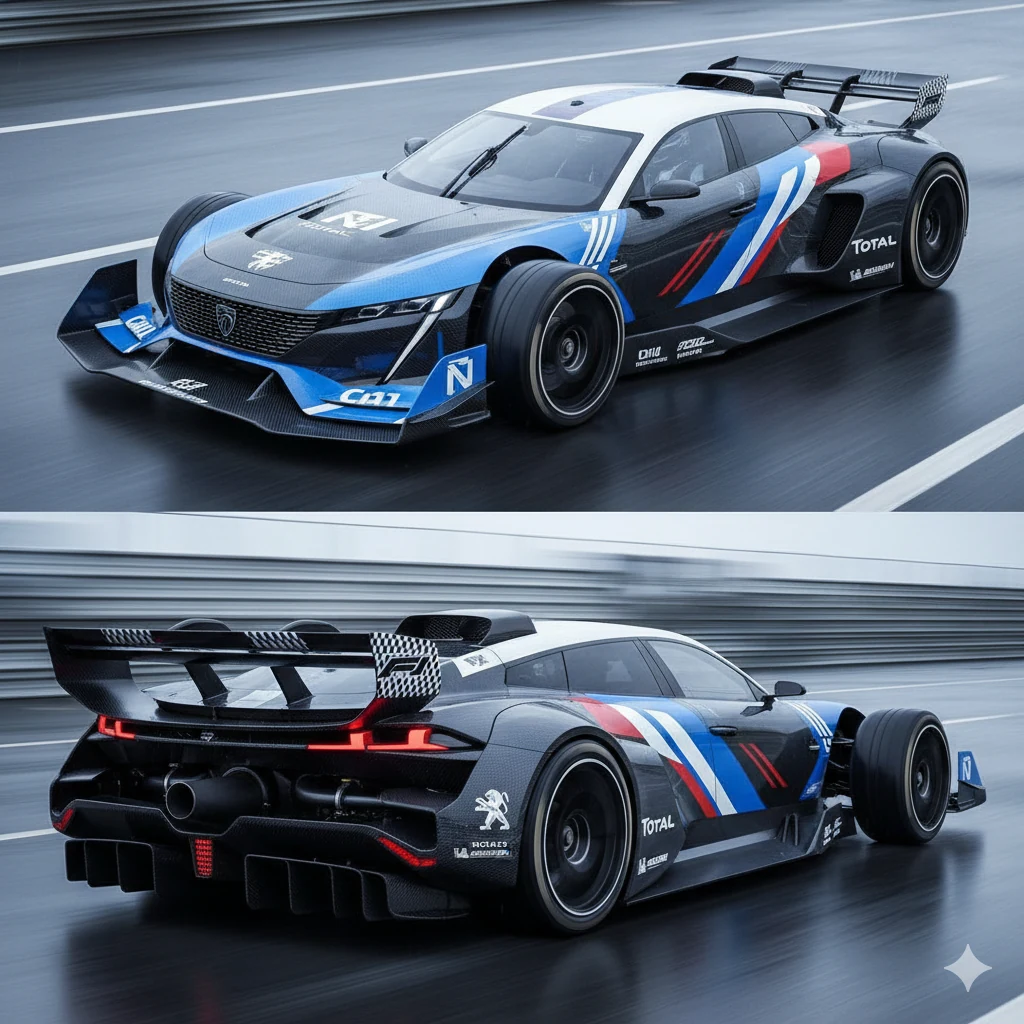
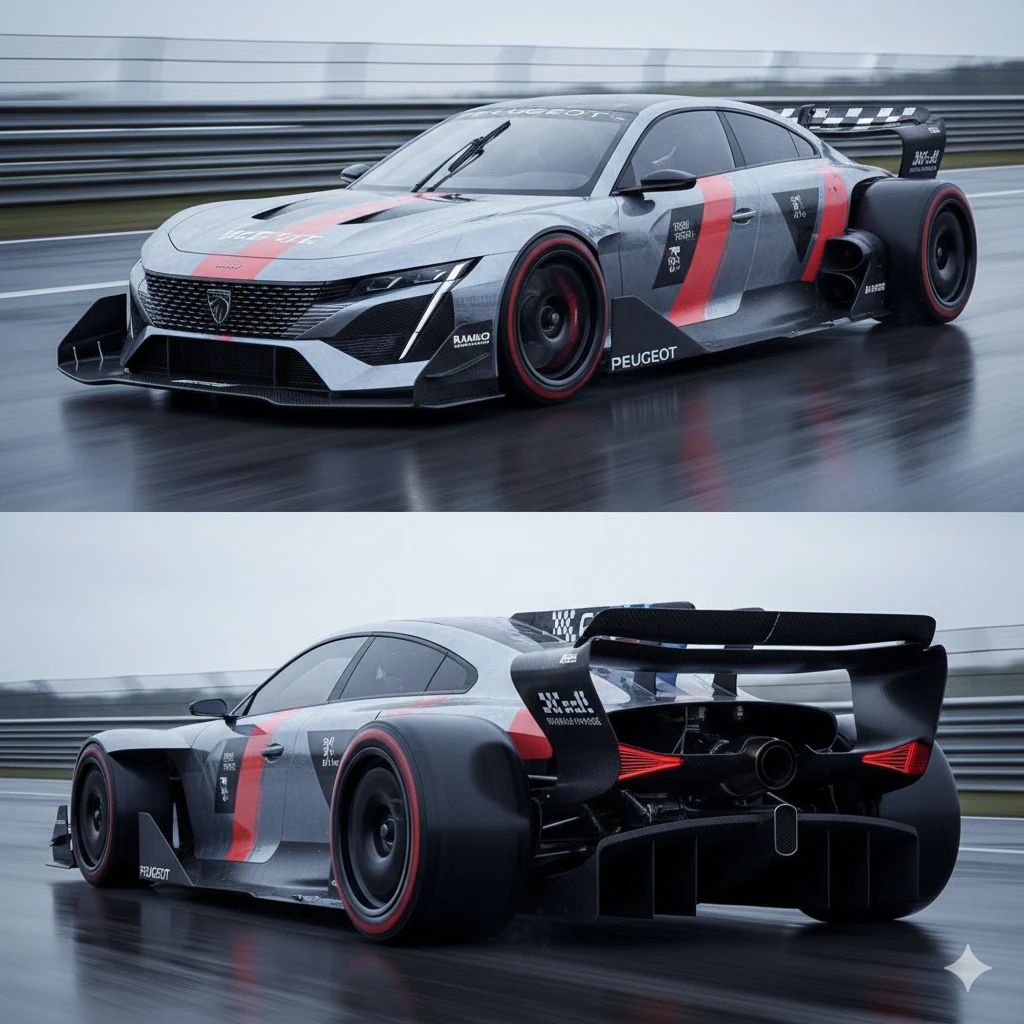
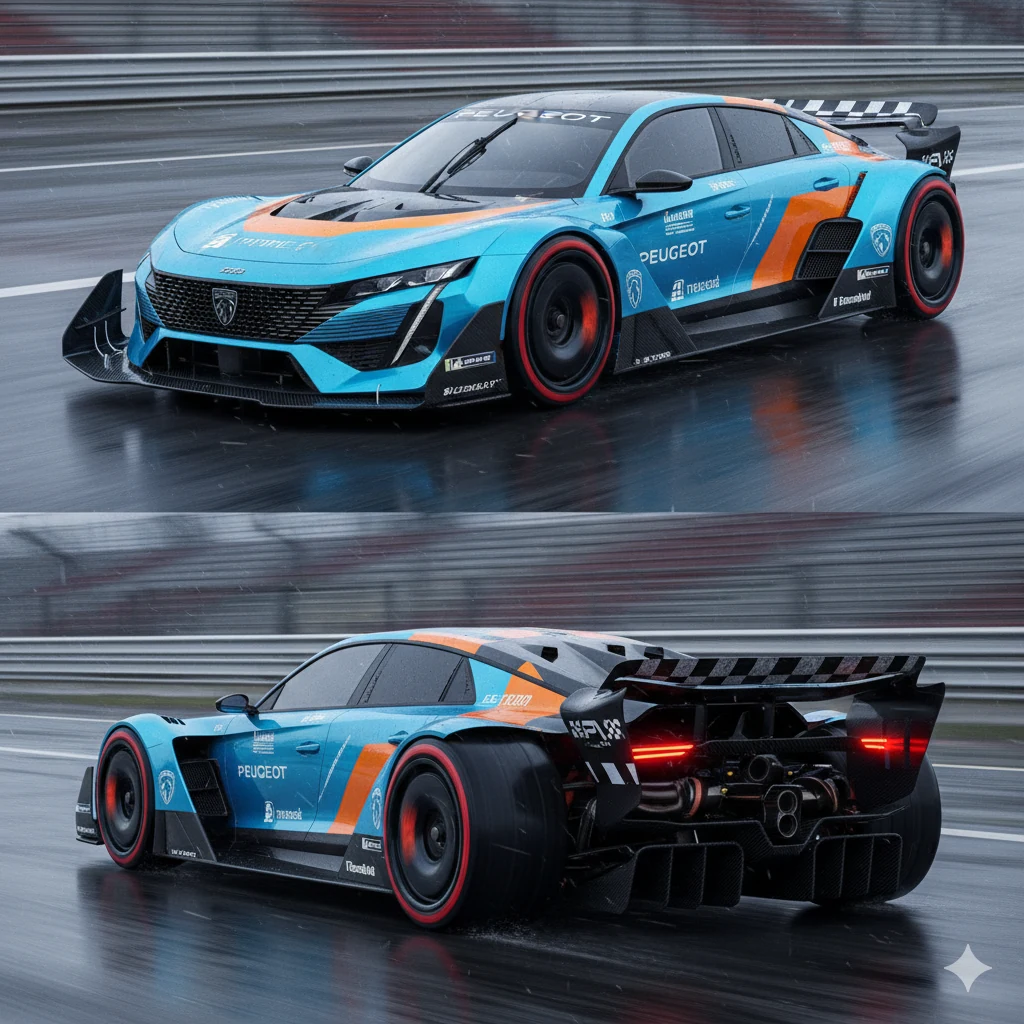
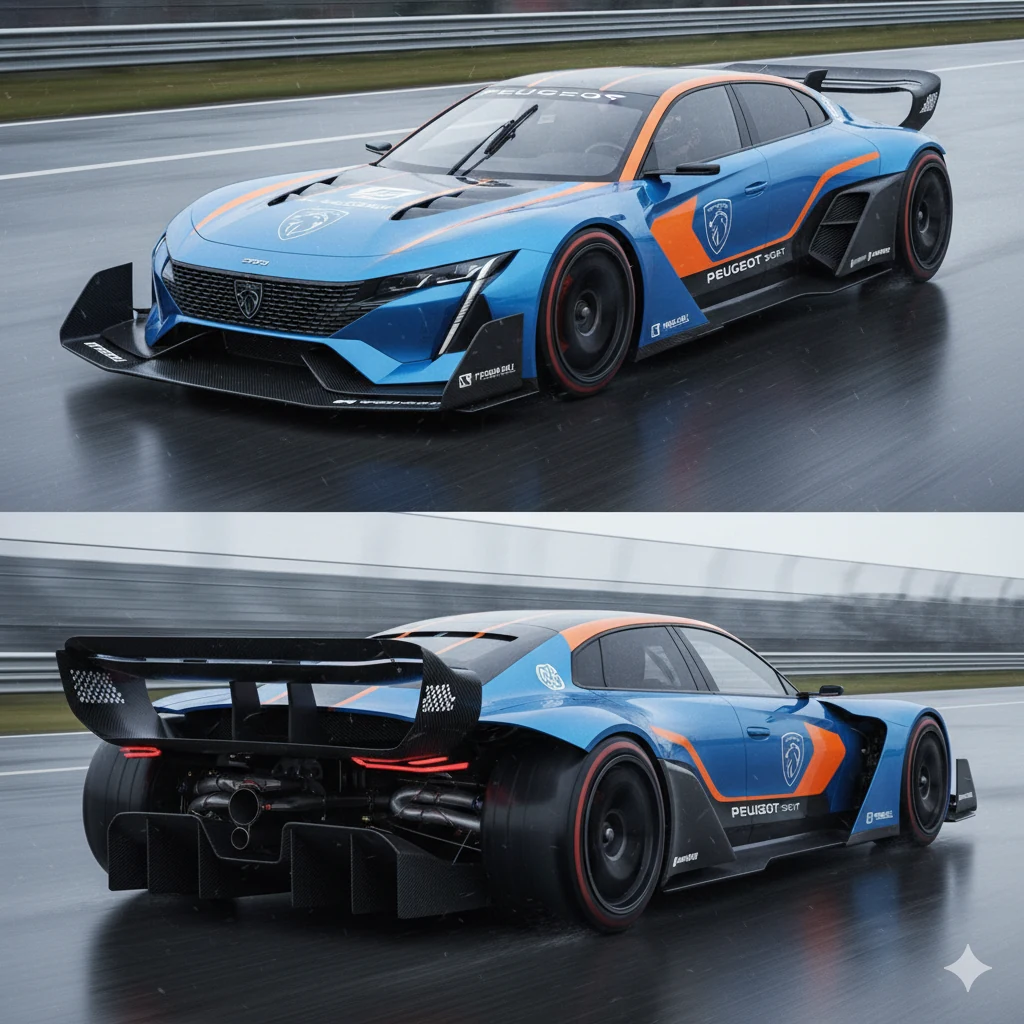
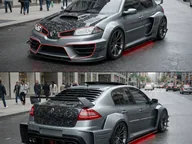
Peugeot 408 (2022-2026) — a sedan in factory form. The set below holds 4 renders of that same body rebuilt as a F1 build, so you can compare the changes side by side instead of taking them on trust.
Formula cars are the purest expression of aero over aesthetics. The floor, the bargeboards and the front wing generate most of the grip, which is why the bodywork looks skeletal: every panel exists to guide air. The halo, the airbox and the narrow cockpit are fixed by regulation. What the designer controls is proportion and colour, and the best liveries here are the simplest, because the shape is already busy.
Same donor car, different rules: every other Peugeot 408 build is one click away in the sidebar, and the F1 category hub collects the same treatment applied to other cars.
Questions about F1 builds
Why does an F1 car look skeletal?
Because most of the performance comes from the floor and the air passing under the car. Bodywork that does not guide air is weight for nothing.
How much of the shape is free?
Very little. The halo, cockpit opening, airbox and crash structures are fixed. Designers work in the gaps.
 Peugeot 50812 renders
 Opel Insignia5 renders
 Renault Megane1 renders